Silk products, from bed sheets to pyjama pants, each piece is high-end, elegant and expensive, making you feel ashamed of yourself…
As those who have raised silkworm babies in their childhood surely know, raising silkworms is a very troublesome process… When raising silkworm babies, after hatching larvae, they eat, eat, eat for forty or fifty days, and then they begin to bind themselves. Out of dozens of silkworm babies, only a few may succeed in spinning cocoons. And only once!
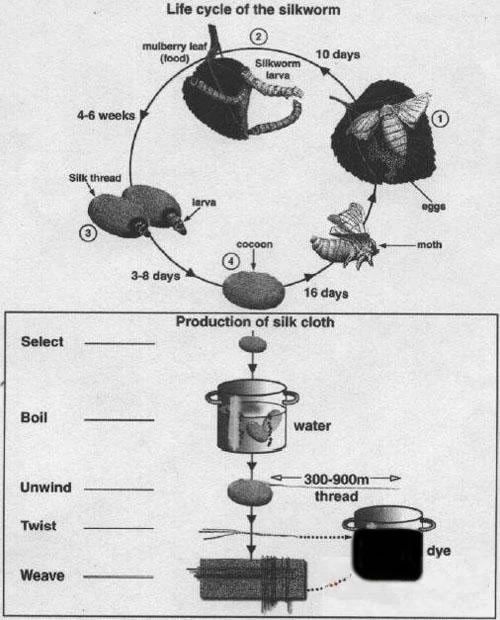
Silkworm life
Silkworms are totally metamorphosed insects… It is not to scold silkworm, it is to say that it has gone through egg, larva, pupa, adult insect four stages, like a caterpillar into a flower butterfly that kind of abnormal way (see it seventy-two changes! . When the silkworm baby called ant silkworm, look black, after constantly eating blblons, again and again after molting into a white fat appearance… Silkworm white fat fat, appetite gradually reduced, you can cluster…
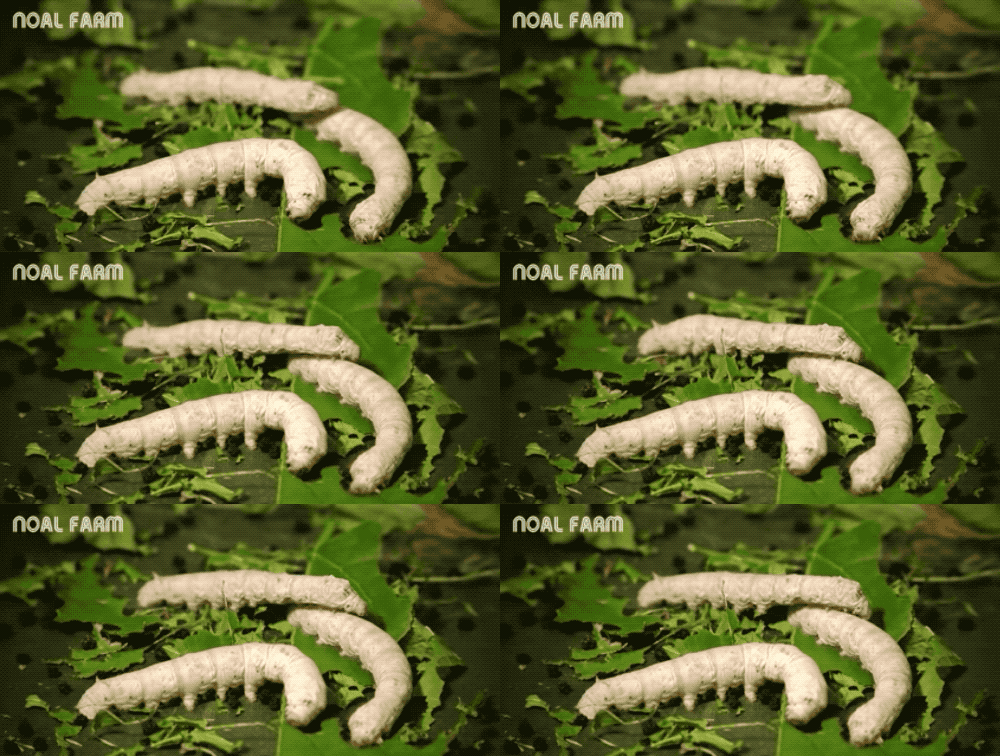
Mature larva on the cluster
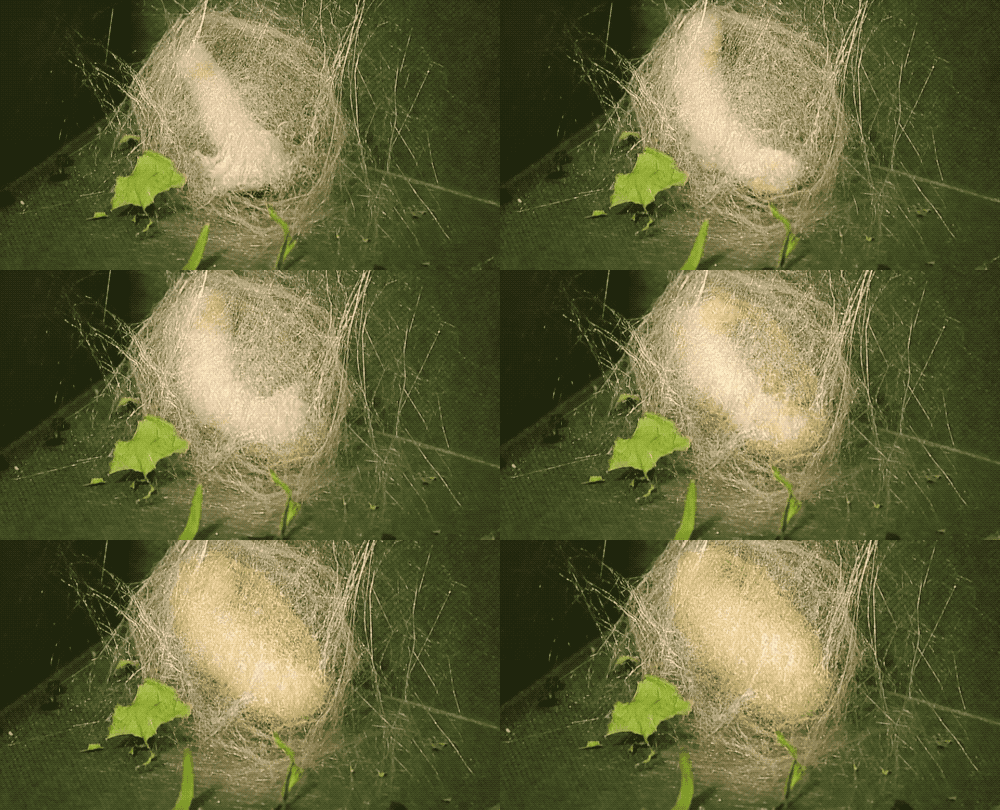
When raising silkworms, they will put the cardboard square cluster on the top of the silkworm seat, and make use of the habit of ripe silkworms to climb up, so that they automatically climb the cluster concreting network, which is also called the cluster. Cooked silkworm first spit silk stick in a corner, and then silk connected to the surrounding clusters of branches, the formation of cocoon support, cocoon net. Cocoon net does not have cocoon shape, is some loose silk, cocoon net as a support, with S type to continue spinning reinforcing cocoon net inner layer.
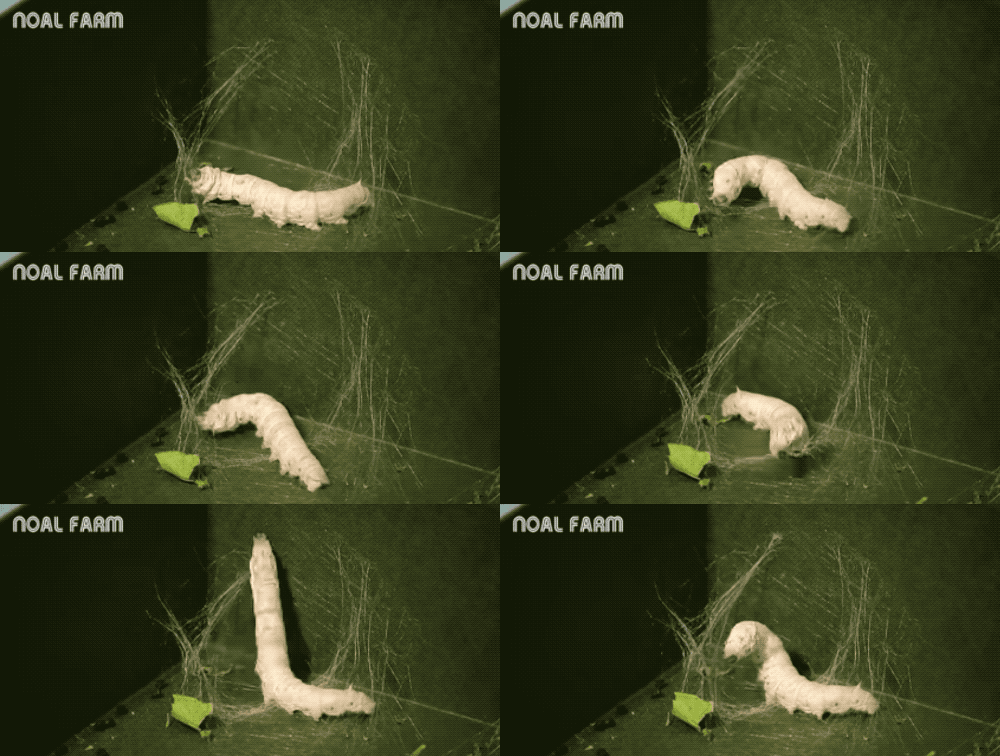
Cocoon into a pupa
Slowly in the silkworm net to bind themselves, trapped in the cocoon, into a pupa (there is no northeast cute love to eat silkworm pupa).

The calluses here are yellow… I was curious because the cocoons I grew up with and watched in The Jungle King were all white… This is because of mulberry leaves ?
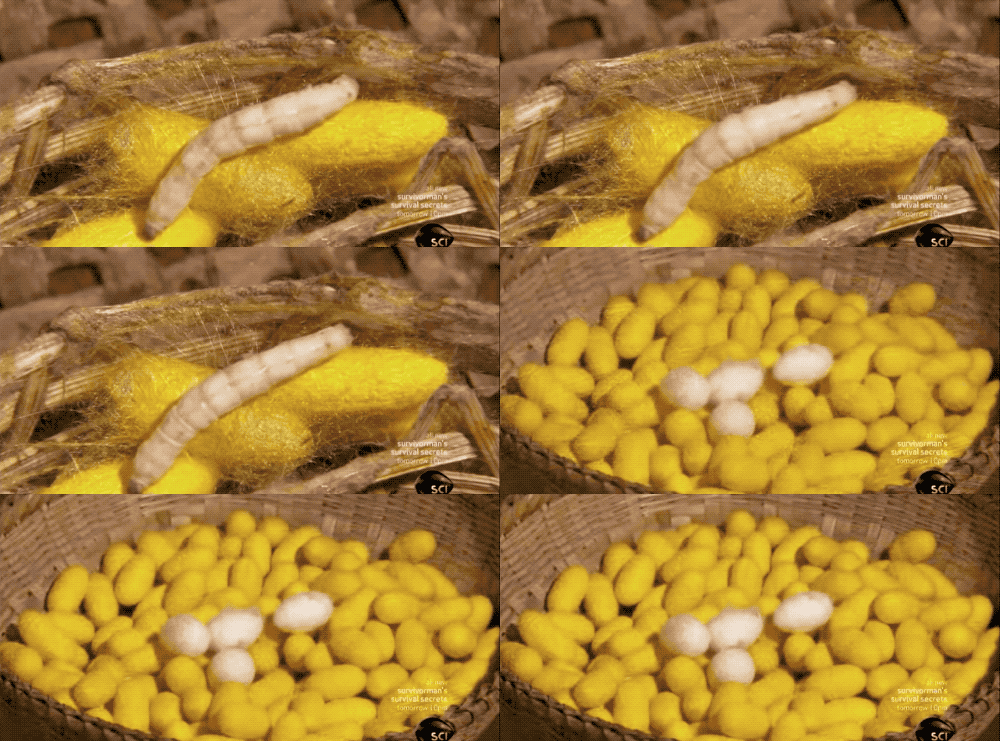
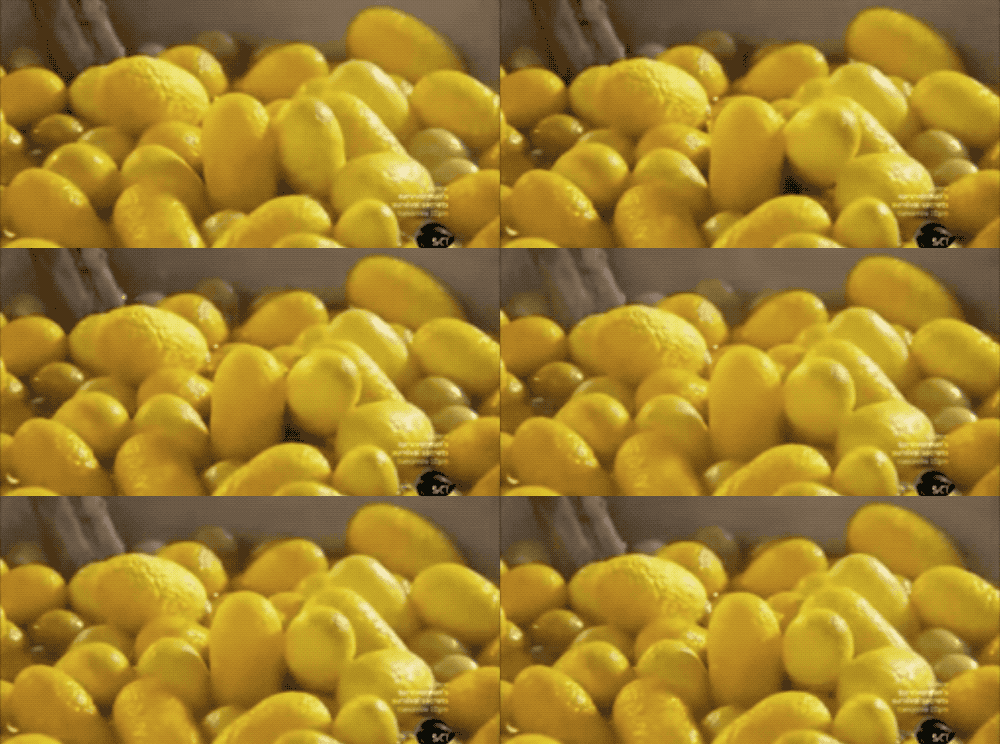
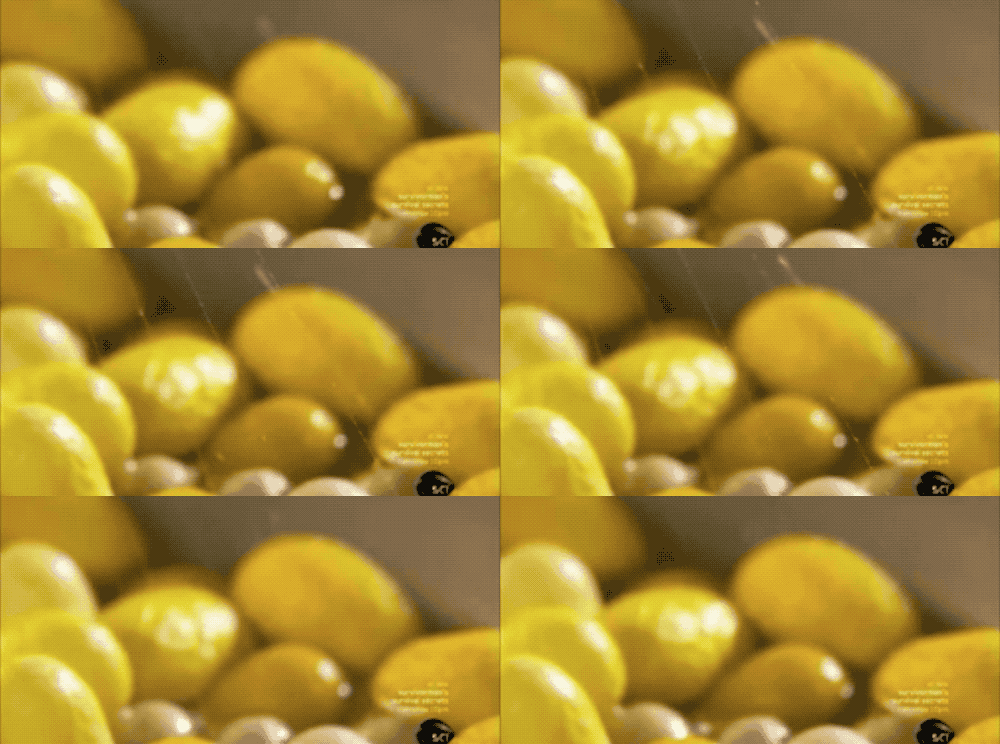
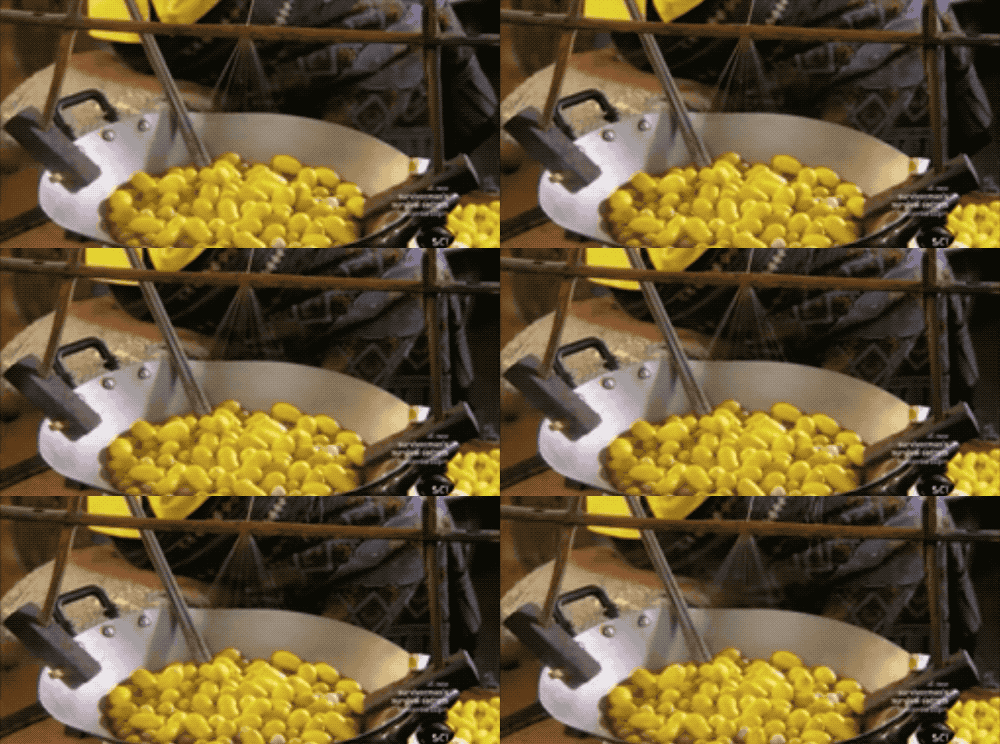
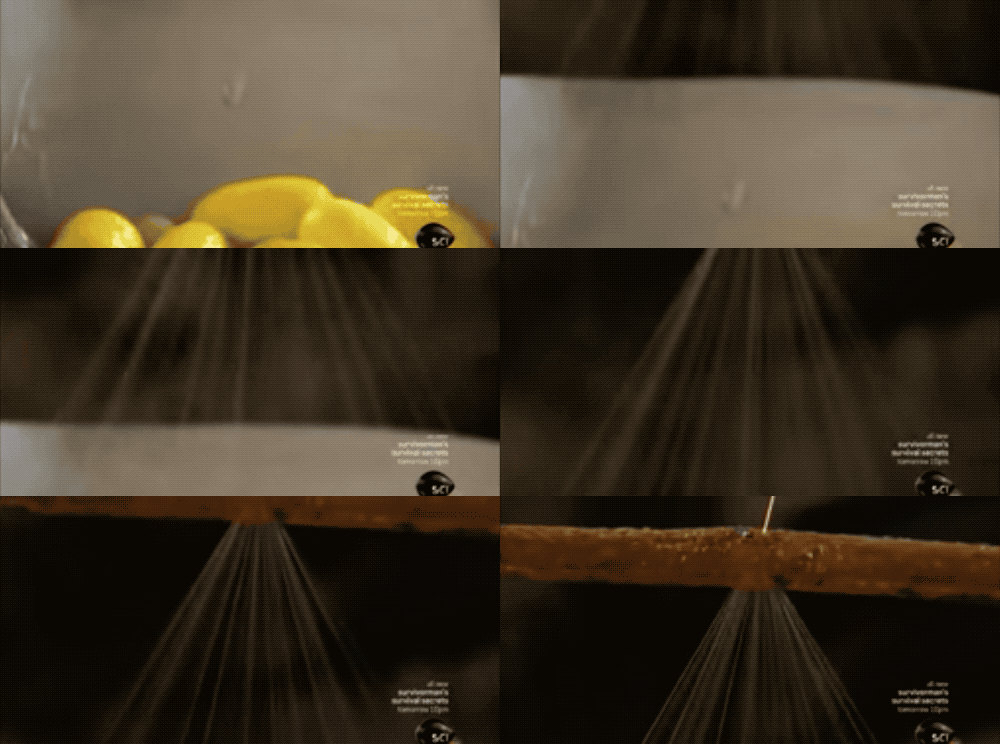
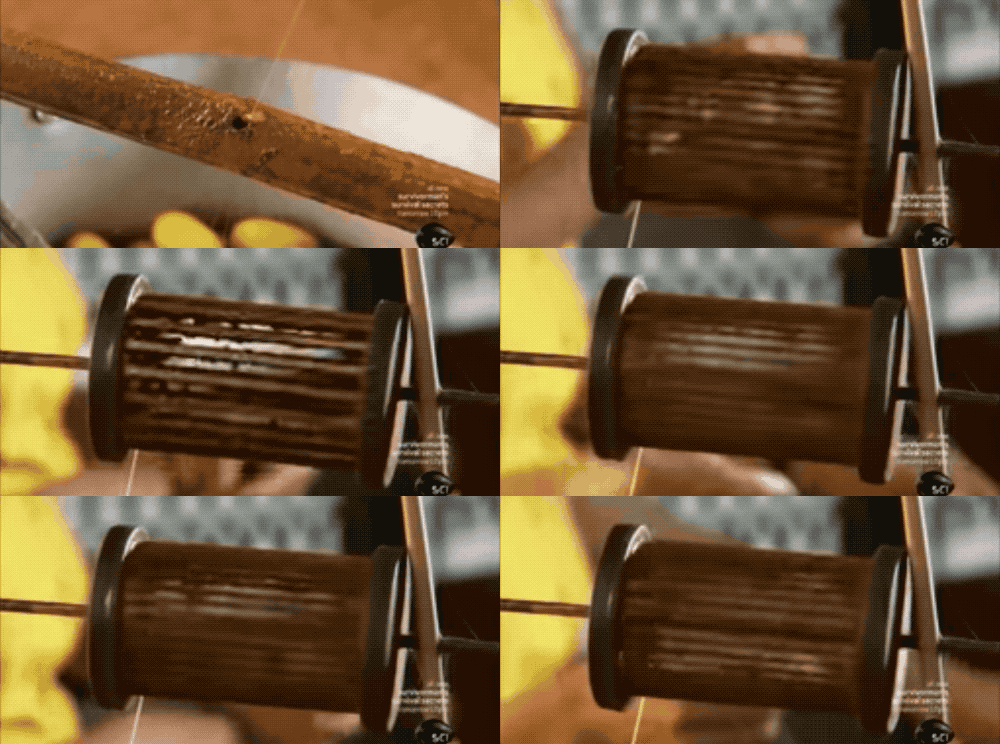
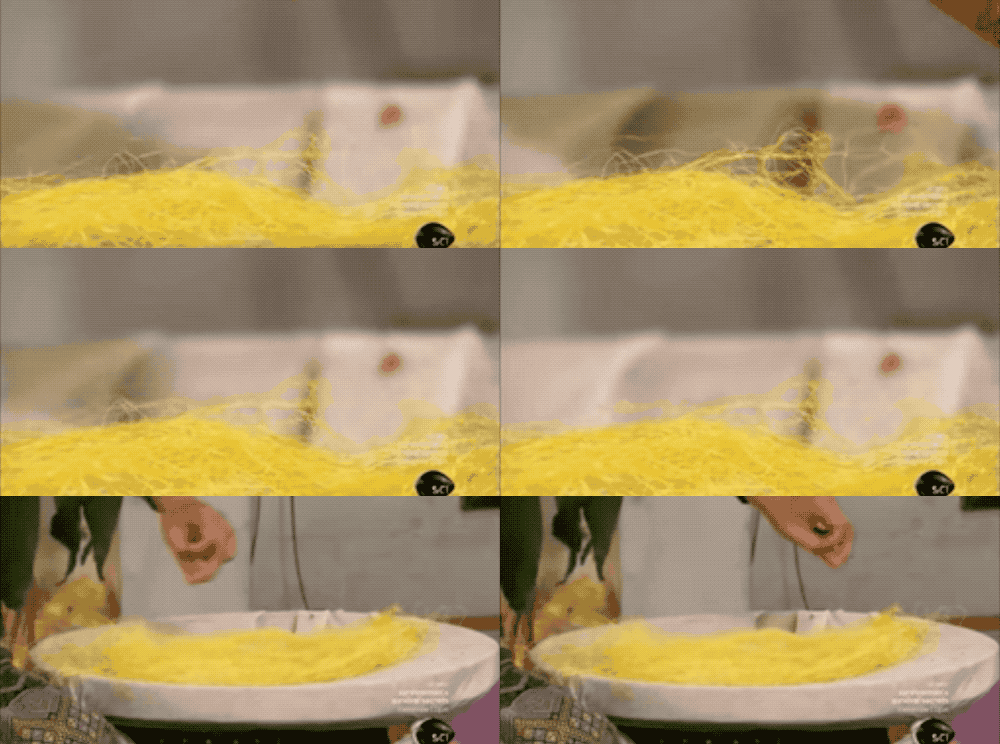
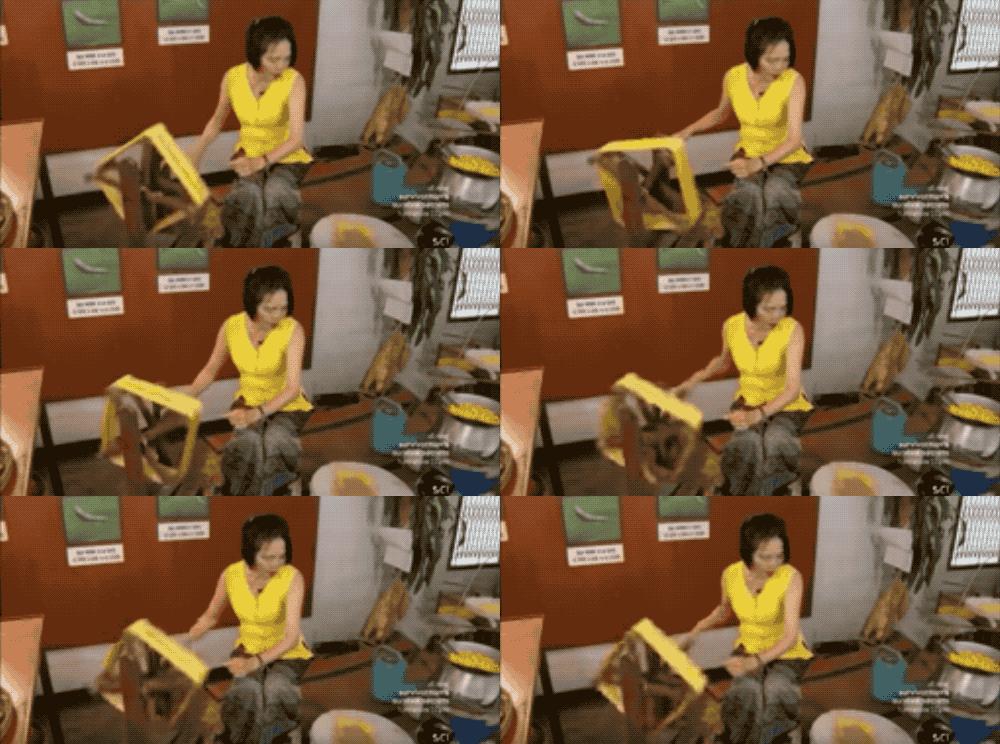
Silk is made up of silk collagen (sericin) on the outside and glial protein (silk fibroin) on the inside. Because sericin is water-soluble and breaks down in hot water, after cooking the cocoons, the sericin dissolves and the threads can be found. A cocoon is made of a single piece of silk, so when you find the thread, start spinning!
Bleaching dyeing
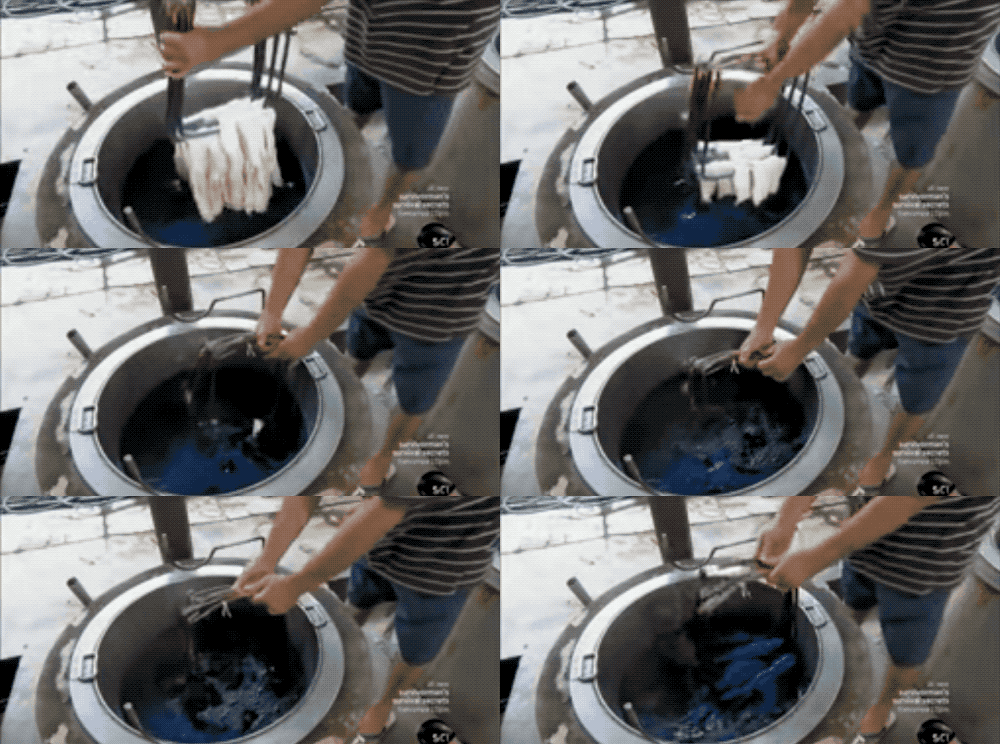
Then comes the bleaching + dyeing process. In order to unify the color, the silk is required to be treated with bleaching and then unified color number to dye.
If you want blue, you have to soak the silk in blue pigment to dye it.
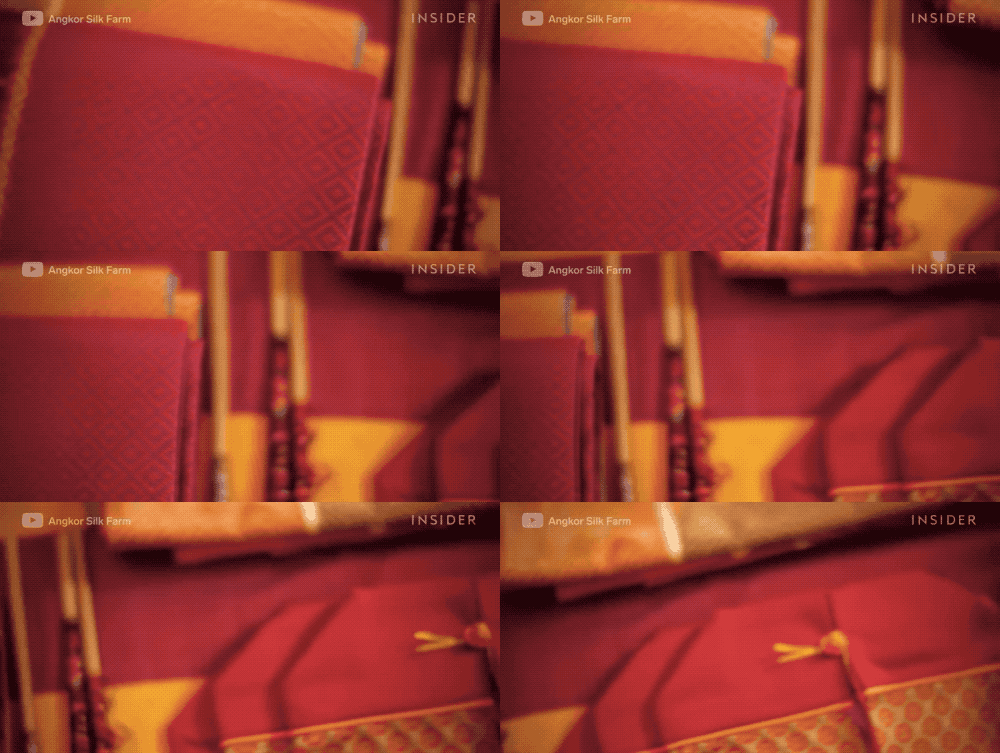
The next part of the fabric spinning process. Finally, a beautiful, silky, high-grade silk is ready. Silk products are the best choice for gifts
Wait a minute!
I know what you’re looking for. This is time-lapse photography of silkworms wrapping themselves in silk x 8 times faster, so from the outside to the inside, the smaller the package gets. Isn’t that cool