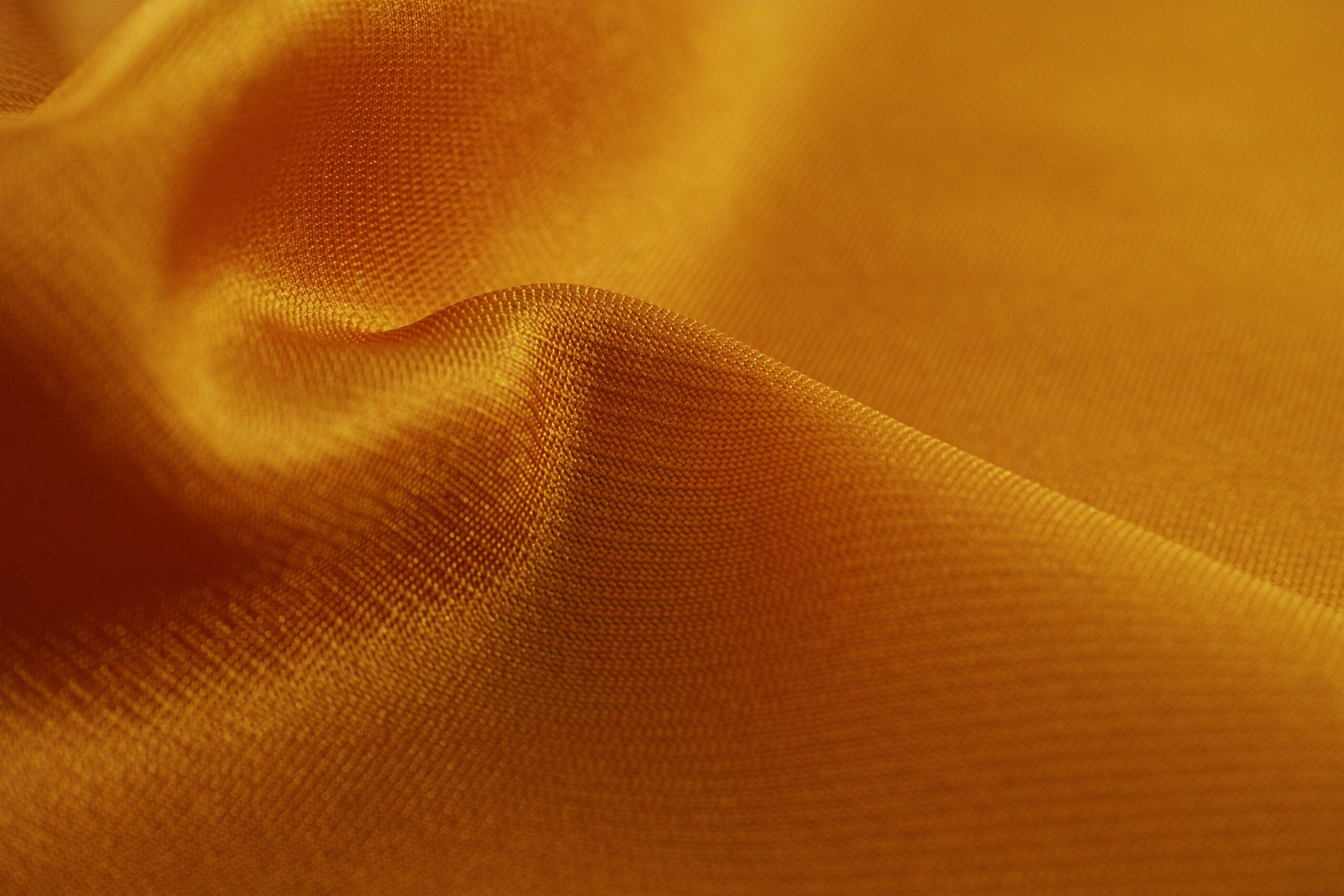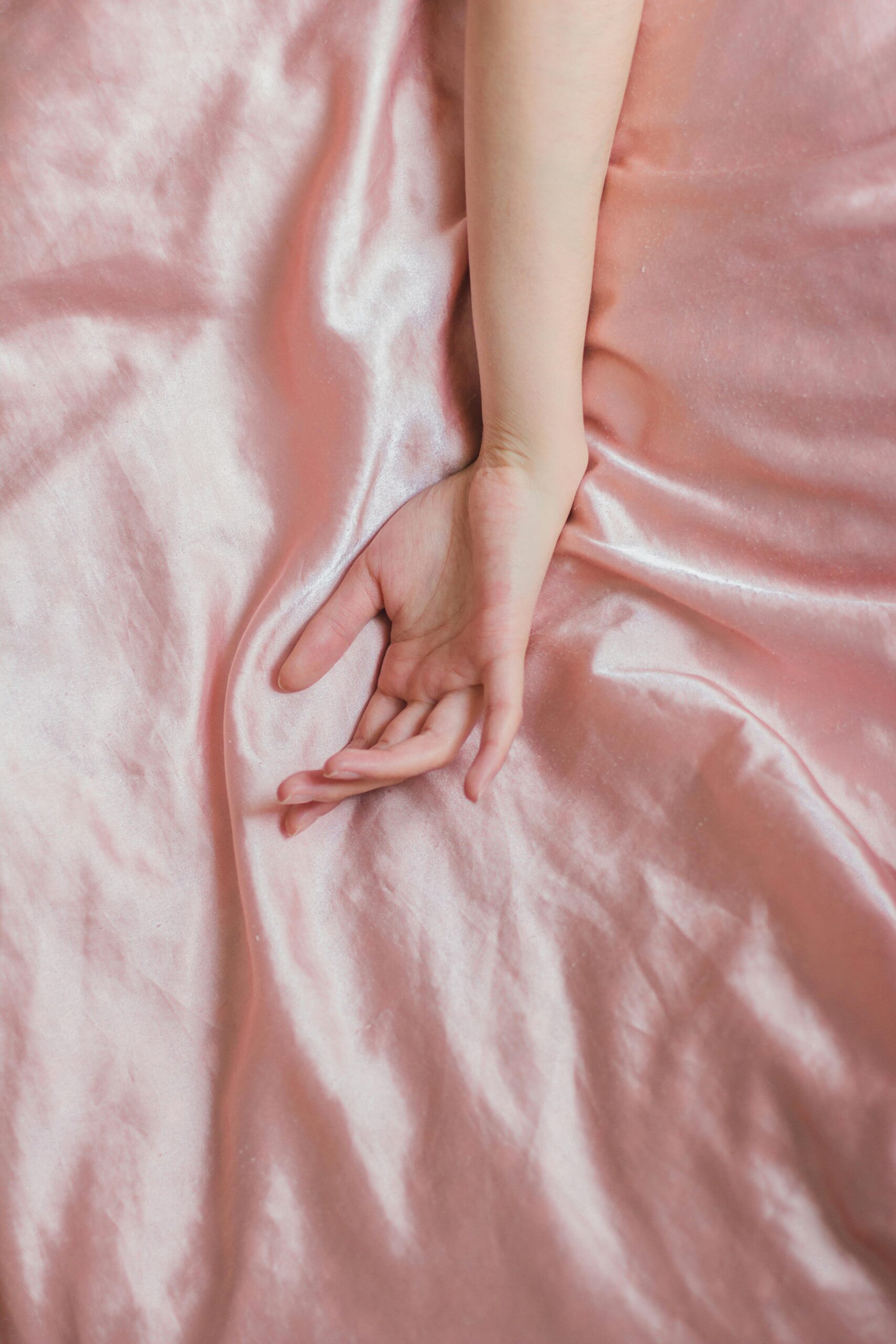
Silk, with its luxurious texture and shimmering appearance, has captivated humans for centuries. The art of silk production, known as sericulture, is a fascinating process that combines nature, skill, and tradition to create one of the most sought-after fabrics in the world. This article delves into the various stages of silk production, from the cocoon to the finished fabric.

Silk production begins with the cultivation of silkworms. These tiny creatures are fed a diet of mulberry leaves until they are ready to spin their cocoons. The process is delicate, requiring a controlled environment to ensure the best quality silk. Once the silkworms have spun their cocoons, they are carefully harvested for the next stage.
Harvesting the Silk
After harvesting, the cocoons are subjected to a process known as reeling. This involves soaking the cocoons in hot water to soften the sericin, a natural gum that holds the silk fibers together. This step is crucial as it allows the fibers to be unwound into a continuous thread. Each cocoon can produce an astonishingly long thread, sometimes stretching over a mile.
Silk Weaving: Crafting the Fabric

The threads obtained from reeling are then meticulously woven into fabric. Silk weaving is an art that requires both precision and expertise. Weavers use traditional looms to interlace the threads, creating intricate patterns and designs. This stage is where creativity meets craftsmanship, as skilled artisans bring their visions to life on the loom.
The Role of Silk Fabric Factories
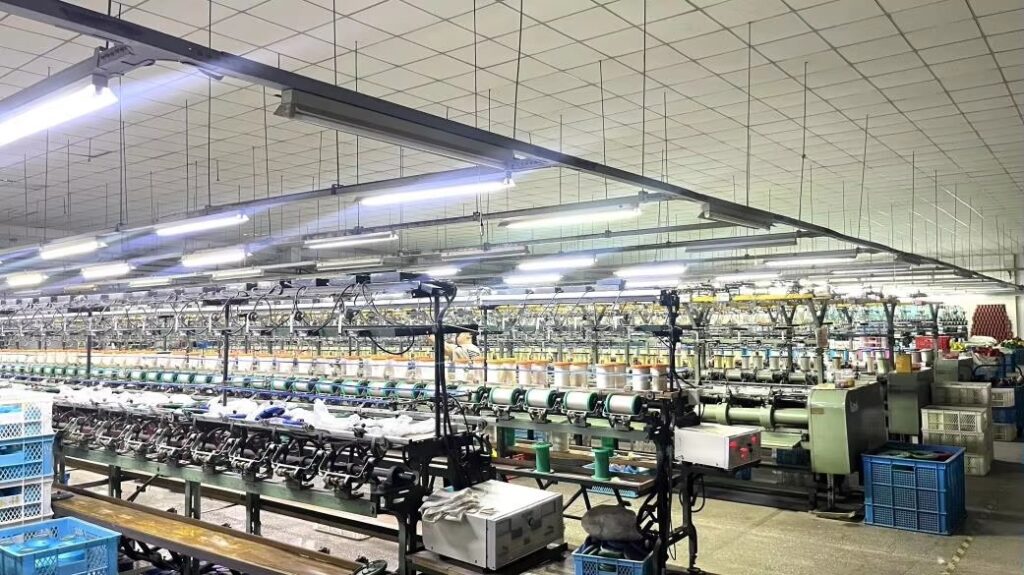
Silk fabric factories play a pivotal role in modern silk production. These factories combine age-old techniques with contemporary technology to produce silk on a larger scale. While traditional methods are still used, advancements in machinery have made it possible to increase production without compromising quality. Factories ensure that silk weaving remains a viable industry, meeting the demands of the global market.
The Final Touch: Dyeing and Finishing

Once woven, the silk fabric undergoes dyeing and finishing processes to enhance its appearance and texture. Natural and synthetic dyes are used to achieve a wide range of colors. The fabric is then finished to improve its sheen and softness, readying it for use in fashion, home decor, and more.
The Timeless Appeal of Silk
The art of silk production is a testament to human ingenuity and the beauty of nature. From the meticulous care of silkworms to the intricate weaving techniques, every step in the process is a blend of tradition and innovation. Silk remains a symbol of luxury and elegance, cherished for its unique qualities and timeless appeal.
In embracing both ancient practices and modern advancements, silk production continues to thrive, ensuring that this exquisite fabric remains a staple in wardrobes and homes around the world.